Add the brain to what you offer athletes and teams
Neuralytica is the technology that measures and analyses the brain in motion. It integrates with the technology and programmes you already deliver, so your clients get the brain’s side of performance alongside yours.
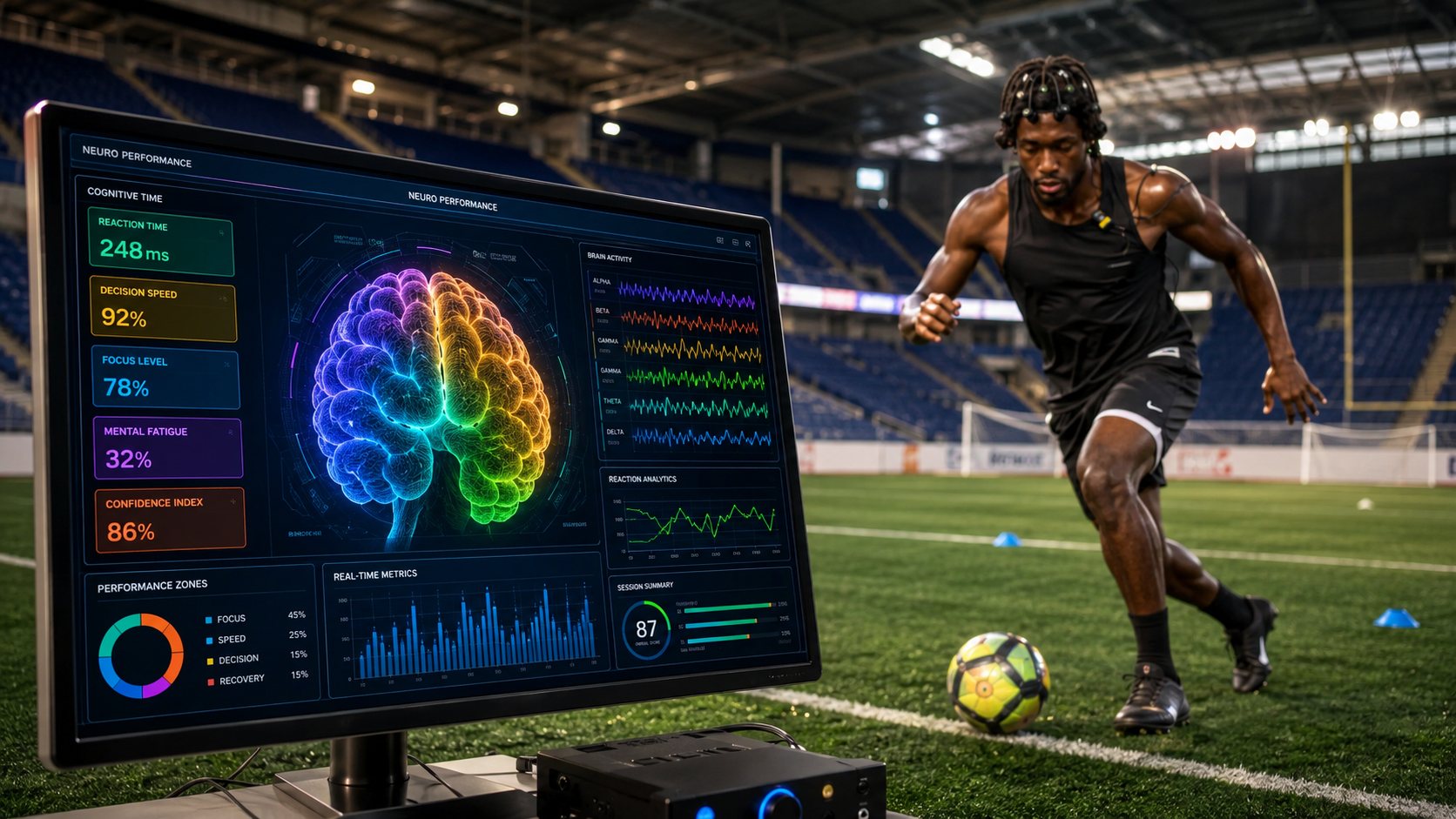
The brain is sport’s next frontier
“That’s the next frontier of performance.”
 Dr. Matthew Nurse
Chief Science Officer, Nike
“The next step will be to improve the speed of our brains.”
 Arsène Wenger
Chief of Global Football Development, FIFA
“Cognition will be the fifth cornerstone in classical football training.”
 Jes Buster Madsen
Director of Football and Data Science, Saudi Pro League
Published views from people in elite sport. None of them is connected to Neuralytica. Wenger portrait © Barcex, CC BY-SA 4.0, via Wikimedia Commons.
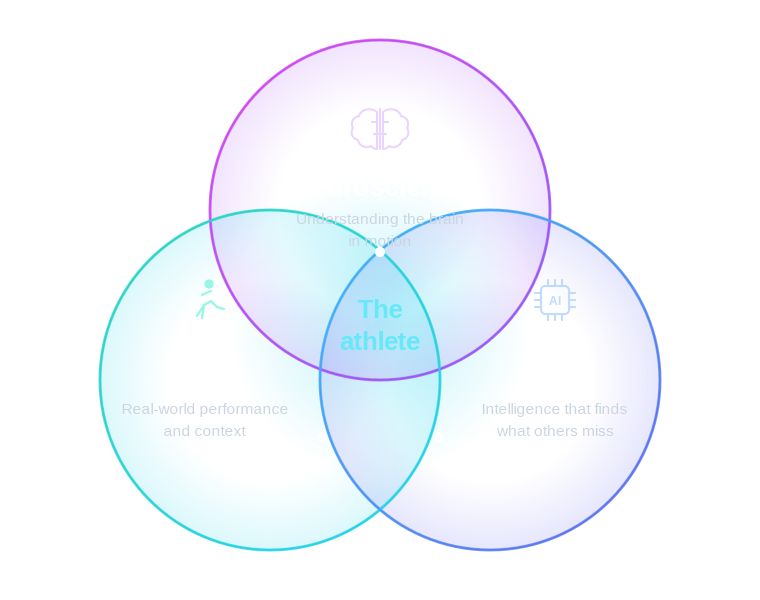
How we fit together
The body does the work. The brain is the control system that runs it. We provide the analysis of the brain in motion and integrate it with the body data and training programmes teams already use. The systems work together, and the team gets a better outcome.
What Neuralytica does
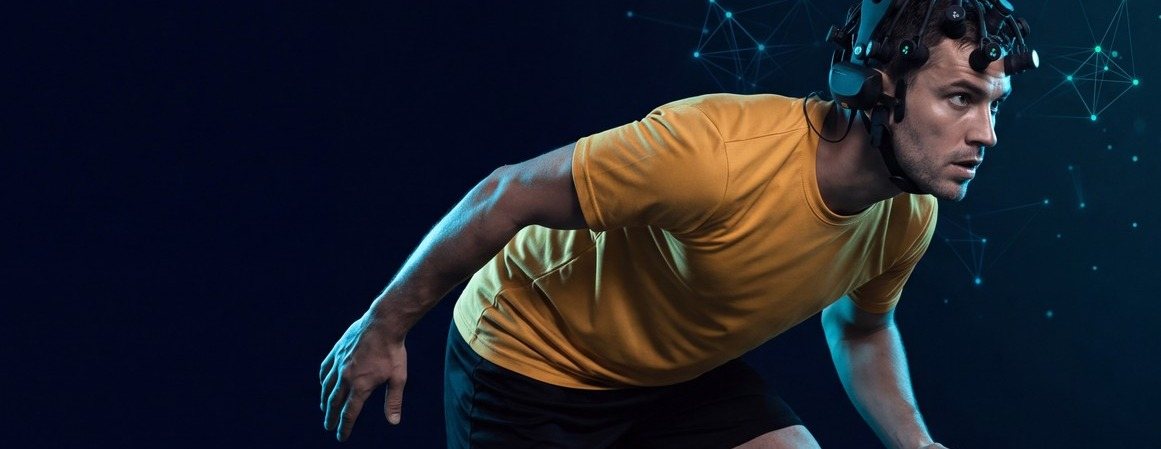
The athlete wears a light headset and sensors
Brain activity is recorded alongside heart rate, breathing and muscle activity.
They do short tasks that look like their sport
Reacting, deciding, balancing, jumping. Once fresh, and again after physical load.
Staff get a clear report
Read for the athlete’s sport and position: what they do well, what to work on, and what changed since last time.
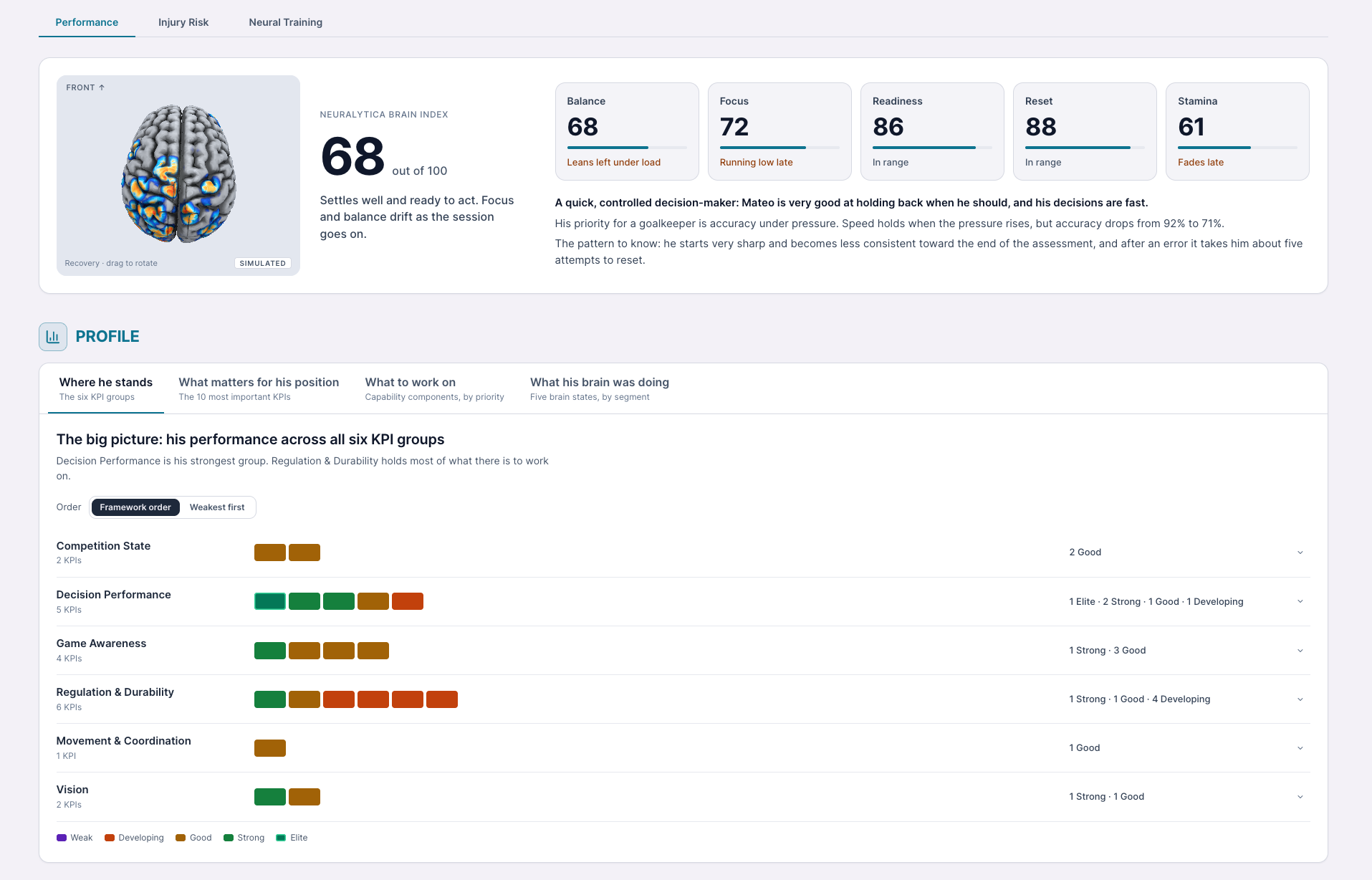
Know what to train. See it progressing. Refine as you go.
Your programmes train decisions, reactions, vision and focus. Our analysis of the brain in motion shows exactly what each athlete needs to work on, and feeds straight into your programme, so you’re training the right thing from the start and sharpening it with every block.
Identify what to train
Each athlete’s strengths and focus areas, weighted for their position. A goalkeeper and a striker get different priorities.
Track how it’s progressing
Retest during the programme and see what’s moving in how the brain performs under pressure and fatigue.
Adjust and refine
Tweak the next block around what changed, and show your clients the progress in their own data.
The plan changes as the athlete changes.
Once teams measured the body with GPS vests and heart-rate monitors, physical training became far more precise. Measuring the brain does the same for brain training.
Pick the right thing, and everything changes
When you’re guessing what to train, results are hit and miss. Train the wrong thing and it looks like nothing changed. Train the right thing and the change shows up, in the data and on the pitch.
We’ve chosen to work with the leading brain training companies rather than build our own programmes. Where a club has no training partner, we provide our own protocols.
- You win: proof your training works
- The team wins: better athletes
- We win: our analysis put to work
You know what the body does. We add why.
Your technology measures everything the body does. The brain is the control system behind it. Our analysis integrates with your data and methods, so staff see what happened and why it happened, and make better decisions with both.
What one assessment revealed
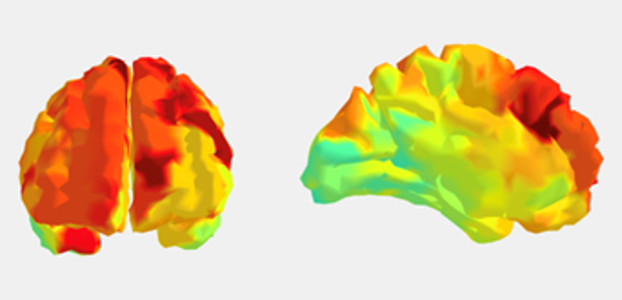
A goalkeeper, identity removed. Here’s what his brain showed.
The body said wait. The brain said ready.
Five weeks after surgery, Jack kept reporting knee pain and his rehab had stalled. His brain had moved from guarding the knee to ready for action. Staff weighed that alongside his physical results, moved him to heavy load, and he handled it safely. He returned to play without setbacks.
Division I football athlete, University of Cincinnati. Staff made every decision; the brain data was one input they weighed.
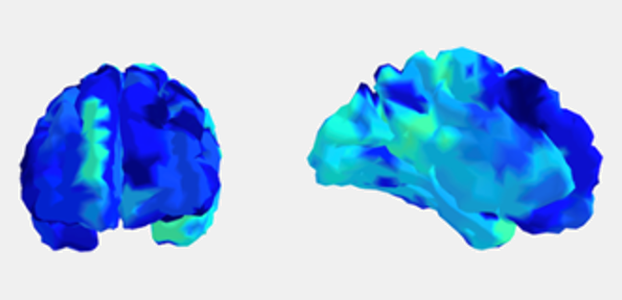
What clubs use it for

The research behind it
Developed with the University of Cincinnati’s Sports Medicine and Athletic Training Department, published in peer-reviewed journals since 2023.
The studies so far are small and in college athletes. Studies following athletes through training programmes are under way, and we’d like to run them with partners.
Let’s talk about what we could do together
Tell us what you offer and who you work with. We’ll show you how our analysis fits with what you do, and what it could mean for your clients.
Your clients stay your clients
The relationship with your clients stays yours. Results go to your staff first, in the tools they already use, and you decide how we’re introduced.