
We measure the athlete's brain in motion.
We measure brain activity while the athlete moves, reacts and makes decisions — so we can see how the brain performs as the demands change.
A controlled in-motion performance assessment — not a resting brain scan.
Brain performance transforms athlete performance.
Brain performance is not one ability. It is a system.
It is made up of distinct capabilities that vary by sport, position, athlete and situation — and those capabilities can be measured and developed.
{{ npmPanelTitle }}
{{ npmPanelPlain }}
{{ npmPanelExample }}
We find where and how performance can be unlocked.
We identify the brain capabilities limiting performance, show when and how the gap appears, and determine what to train.
{{ cmpReveal }}
Clean, he sits in the zone every coach wants: fast and right. Under pressure he leaves it entirely — losing speed and accuracy at the same time.
19 points lost
Under pressure he is 181 ms slower and 19 points less accurate. Pressure does not force a trade — he loses both at once.
He holds up through the first hour, then drops away sharply inside the fatigue window — finishing at 60% of where he started.
Most of his trials sit tightly around 271 ms. The long right tail is the problem: a handful of reactions drift all the way out to 414 ms. The ceiling is elite — the opportunity is making it repeatable.
His strong side becomes his slow side. The left starts 64 ms quicker and finishes 55 ms slower — the two sides swap at around the hour mark.
The brain can reveal where physical stress is beginning to build.
When an athlete starts compensating under load or fatigue, it shows up in the brain. Neuralytica flags rising injury risk and the part of the body most exposed.
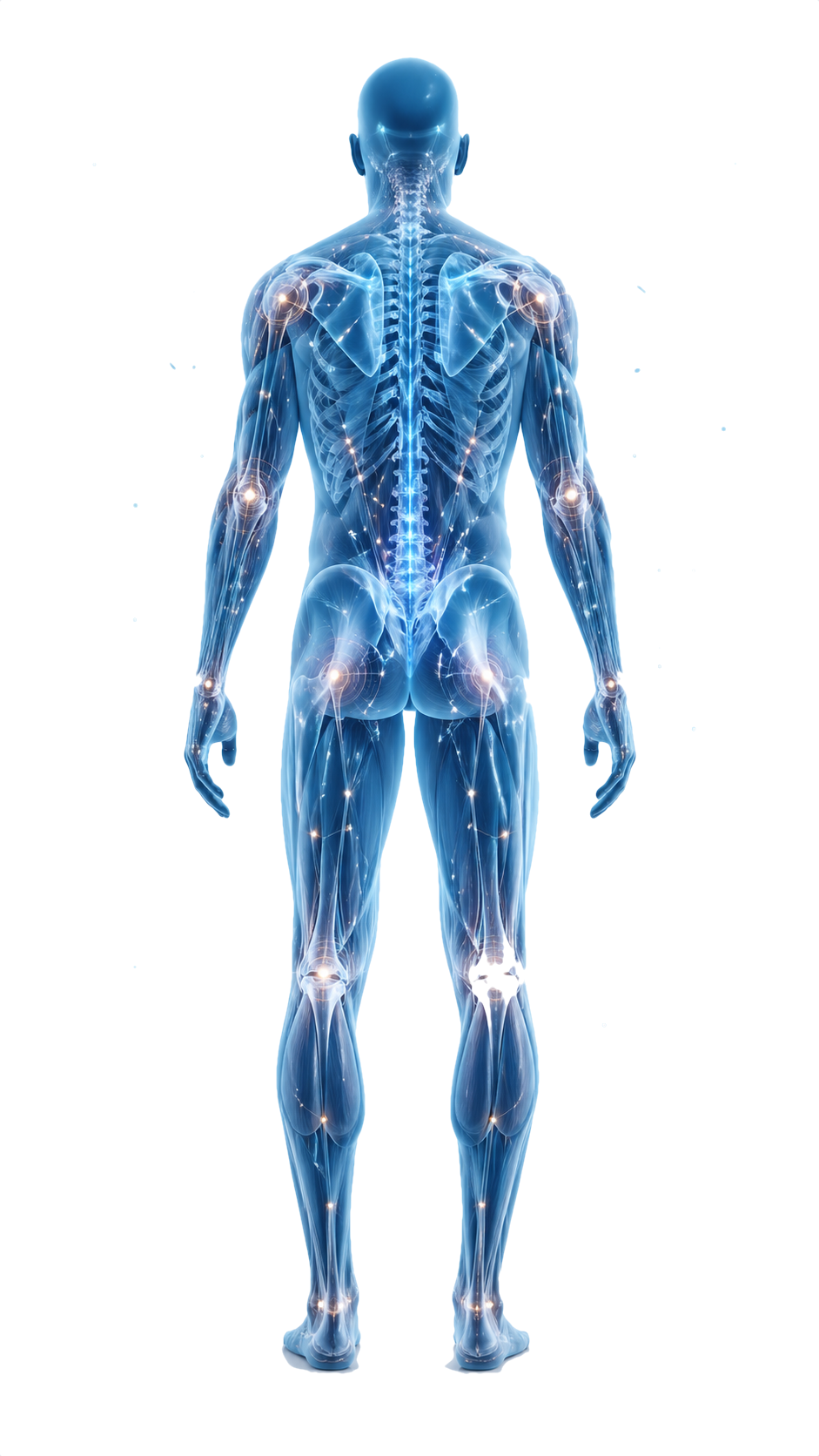
- Knees
- Ankles
- Left knee — exposure rising
- Neural resilience declining
- Left–right imbalance increasing
- Movement timing changing
Left knee is the area most exposed.
See where risk is rising. Adjust training before the problem grows.
The brain shows where recovery can progress—and where it needs more time.
Neuralytica shows how the athlete responds as load returns. It reveals where recovery can move faster and where pushing too soon could create a setback.
After concussion, we can also track how brain activity and performance are recovering over time.
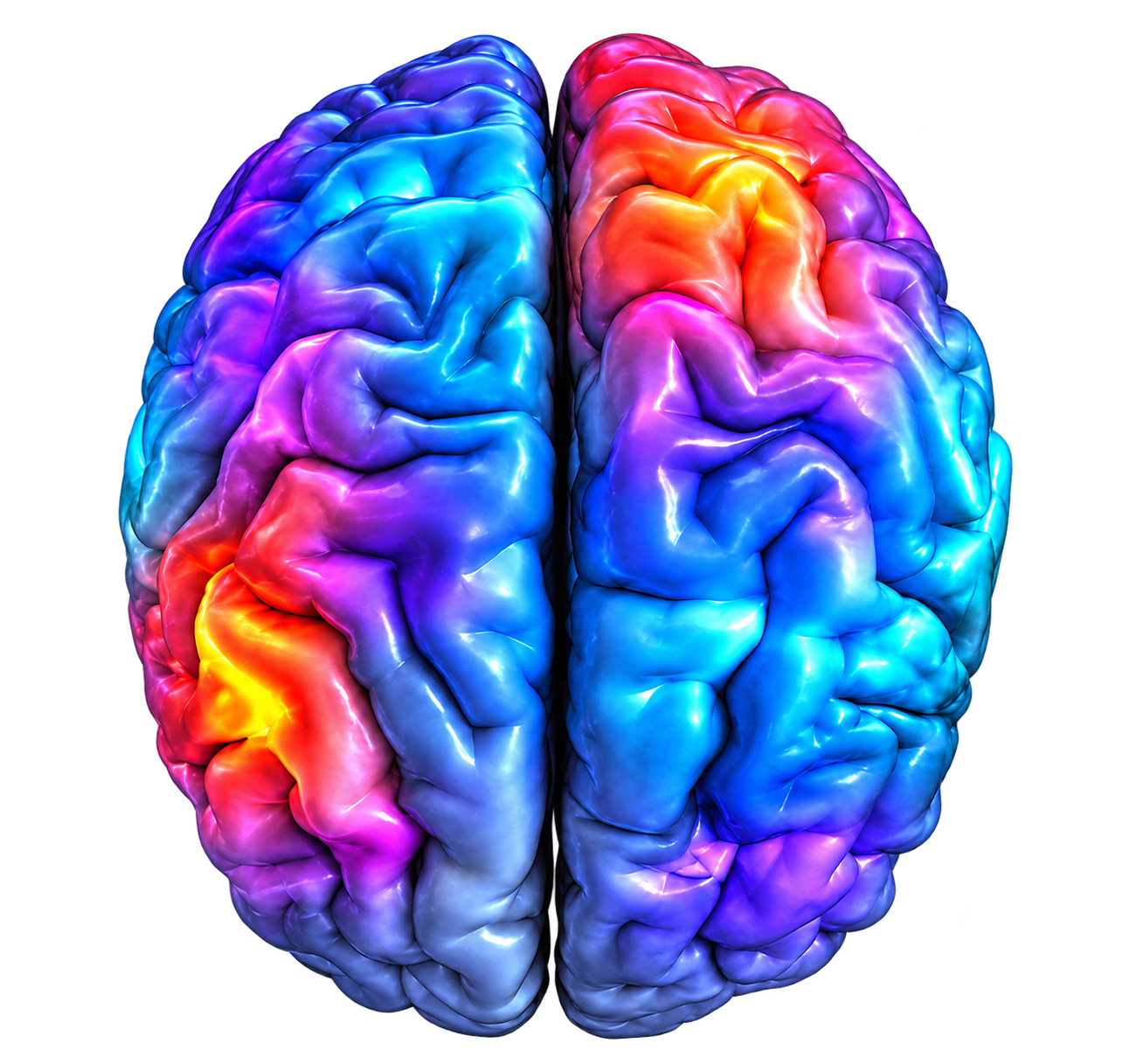
Brain activity and performance under load
Increase load where the athlete is responding well.
Hold back where strain or breakdown remains.
Find the hidden potential. Train it. Show what changed.
Every assessment identifies the highest-value development opportunity, turns it into targeted training, and reassesses the athlete to determine what comes next.
The plan changes as the athlete changes.
He is reading the play too late.
Video-Based Temporal Occlusion Training
Train the athlete to identify the earliest reliable cues before the full outcome is visible.
Illustrative reassessment view
The brain is sport’s next frontier.
“{{ p.text }} ”
These are published views from people working in elite sport and sports science. They are not statements about Neuralytica, and none of these people is connected to Neuralytica. Portraits: Arsène Wenger and Tom Brady © Barcex, CC BY-SA 4.0; Kirk Cousins © All-Pro Reels, CC BY-SA 2.0 — via Wikimedia Commons.
Developed in collaboration with the University of Cincinnati Sports Medicine and Athletic Training Department—and applied across multiple sports.
of research and development
assessed across multiple sports
Decades of Success with Elite Athletes























What performance are you leaving on the table? Let's find out.
We find the performance the athlete is not yet accessing — and show what to train.
We measure the athlete's brain while they move, react and make live decisions. We find where more performance is available, show what matters for their sport and position, build the right training, and measure again.
Customized to every sport and every position.
The position determines which brain capabilities matter most.
The capabilities a quarterback, goalkeeper, point guard and sprinter draw on are different — and two athletes in the same role can still have completely different development priorities.
Larger shape = greater importance to this role.This is role demand, not an athlete score.
{{ posRoleLine }}
The role sets the demands. The assessment reveals where this athlete is strong and where more performance is available.
One assessment starts a continuous cycle.
The brain has two enormous roles in performance.
It determines how well the athlete reads, anticipates, decides and adapts. And it determines how effectively the athlete can access and express the physical capacity they have built.
The brain itself can perform better
The brain helps the body perform better
More performance can be available in the decision, the execution — or the connection between them.
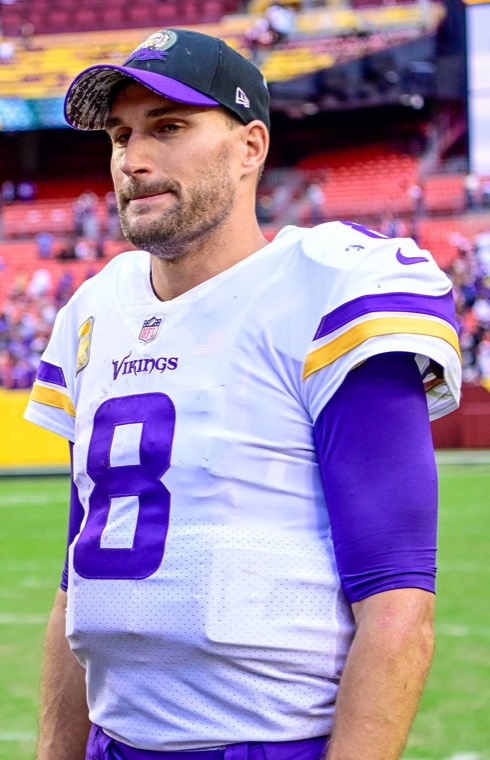
“What's unique about this is if I'm really good at one of these exercises, it likely is something that I'm innately good at or have been developing without realizing it. And then other areas where I'm struggling or it's a weakness, I'd say, well, I've never tried to develop that. I've never worked on it. So I'd like to see how good I could be in that area if I actually devoted time to working on it. So both are interesting because it is the next frontier in kind of your development as an athlete. And so there's a lot of room for growth once you find out areas that you are weaker in.”
This is the opportunity: find abilities the athlete has never deliberately trained, then see how far they can be developed.
We read your mind and turn it into evidence-based actions.
The same neural finding can matter differently depending on the sport and position. We translate the data into the sporting consequence and the opportunity to improve it.
The throwing window can close before the read is complete.
Decision-making becomes slower and less accurate under pressure.
Recognize the important cue earlier and make the right decision while the play is still available.
One direction becomes slower and less reliable late in the game.
Left-right control separates as fatigue builds.
Keep timing and movement control balanced in both directions as fatigue increases.
Staff get clear answers, not a pile of brain data.
What is the athlete already doing well? Where is more performance available? What does it mean for their role? What should be trained next?
Athlete performance
A single read on one athlete: what they already do well, where more performance is available, and the conditions that expose the gap.
Team view
One view of the whole group, so staff can compare athletes in the same role without opening a separate report for each one.
Injury risk
Where the brain’s control of the body is changing — timing, movement control and left–right balance as demand and fatigue increase. This is context for load and return-to-play conversations, not a prediction.
Training
The training this athlete should actually do: what to train, why it was selected from their assessment, and exactly how to run it.
The assessment determines what should actually be trained.
We identify the gap that matters most for this athlete, explain what it could change in performance and provide the training to improve it.
He is reading the play too late.
Staff get everything they need to run the training.
What to do. How often to do it. What to watch. When to make it harder. When to scale it back. What improvement should look like.
We measure again to see what actually changed.
The next assessment shows what improved, what did not and what should be trained next. The plan keeps changing around the athlete instead of forcing every athlete through the same program.
{{ morphTitle }}
{{ morphNext }}
{{ morphFoot }}
What performance could athletes unlock?
Get in touchThe science behind Neuralytica has been built, tested and refined over seven years.
The work has progressed from rehabilitation and healthy-athlete baselines to measuring brain and body performance together while athletes are actually in motion.
Building and testing the method
Athletes studied and assessed through the research program
Peer-reviewed publications from the scientific team and academic collaborators
study
Continuing football research
We measure what happens in the brain while the athlete is actually performing.
We synchronize brain activity with what the athlete is doing, how the body is responding and how well the athlete is performing at that exact moment.
One assessment, four phases, in a single continuous recording. The brain, the task and performance sit on the same timeline below, so you can see that they change at the same moment. This is one assessment getting harder — it is not a before-and-after comparison.
Brain activity is recorded continuously and time-locked to every task, including the moment pressure increases. Nothing is measured at rest.
The fourth phase repeats the third one. Only the pressure and the time available change.
Performance holds steady while the task is clean. It moves only after pressure increases — 181 ms slower and 19 accuracy points lower.
When pressure increases, decisions slow and accuracy falls—and the brain response changes at the same point.
This lets us see what changes when the task becomes harder, pressure increases, fatigue builds or the athlete has less time to respond.
The important question is not simply what the brain looks like at rest. It is how the brain and performance change together as the demands on the athlete change.
Each study moved us closer to understanding the brain in real performance.
The research did not begin with the finished Neuralytica platform. It developed step by step, with each study answering a different part of the problem.
The research is continuing in football.
An approved PFATS-backed research grant is supporting an intervention study designed to measure changes in brain, reaction and movement performance in football athletes.
Independent research points in the same direction.
The wider science shows that perception, decision-making, fatigue, cognition and brain-body control all matter to sporting performance.
Reading and deciding in sport
Elite performance depends partly on how athletes perceive information, anticipate what is coming and make decisions.
Vestberg et al. — executive functions and success in top-level soccer →Performance under fatigue
Decision speed, accuracy and execution can deteriorate as mental and physical fatigue increase.
Smith et al. — mental fatigue and soccer-specific decision-making →Perception to action
Sport performance depends on the connection between what the athlete sees, the decision they make and the movement they execute.
Read the research →Injury, rehabilitation and return to play
Injury and rehabilitation can involve changes in the nervous system that are not fully captured by physical measures alone.
Grooms et al. — neuroplasticity associated with ACL reconstruction →We are clear about what the evidence can — and cannot — tell us.
Neuralytica is performance technology. We measure how the brain performs and how it controls the body during performance. We do not diagnose medical conditions or claim to predict whether an individual athlete will be injured.
Built at the intersection of neuroscience, sport and AI.
Neuralytica was created to make the brain a measurable and trainable part of performance in sport.
We show how the athlete's brain performs, how it controls the body and what should be developed next.
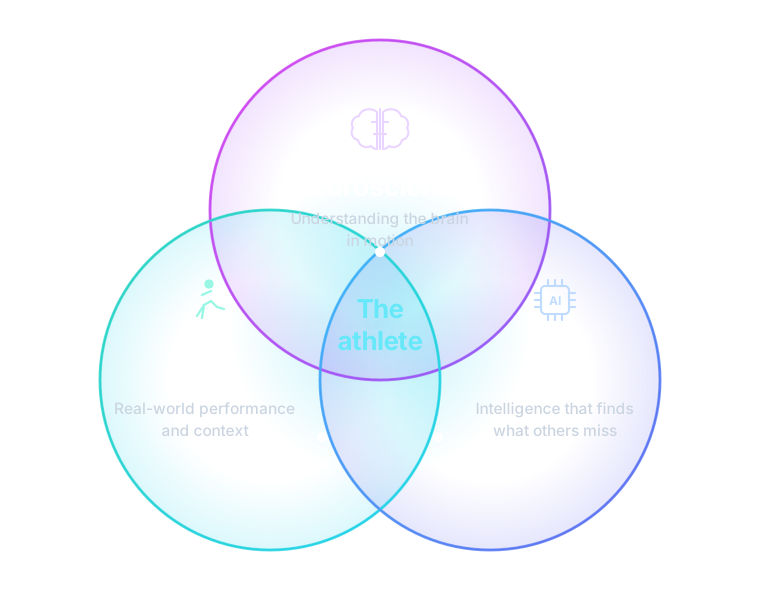
Elite sport measures the body in extraordinary detail. We measure the system controlling it.
Deep science. Elite sport. Product and commercial execution.
Neuralytica is built by a team spanning applied neuroscience, elite performance, neurorehabilitation, product development and commercial execution.

Michael Mark, PsyD, BCN
More than 30 years in applied neuroscience, including work across the NFL, NBA, MLB, PGA and Premier League.

Nick Connor
More than 25 years leading and scaling B2B technology businesses, with experience across Olympic Games, World Cups and major sports venues.

Steven Barouh
Twenty years of commercial leadership across sport, media and law, with responsibility for partnerships and business development.

Audrey Hill-Lindsay, PhD, BCN
Two decades in neurorehabilitation, with responsibility for assessment operations and athlete recovery protocols.

Kris McFarlin
Thirty years developing complex B2B solutions, including ten years working with AI, with responsibility for Neuralytica's technology.

Iain Strickland, PhD
Neuroscientist and commercial leader responsible for adoption across teams and performance organizations.
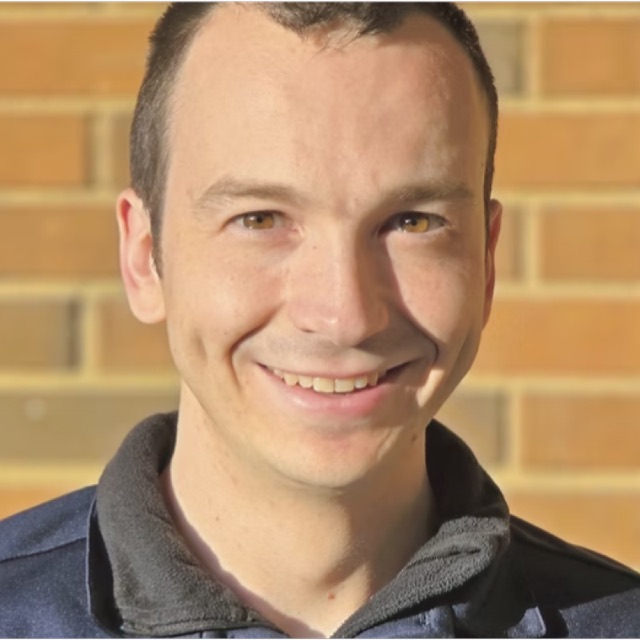
Bradley Jacobs, MBA, BS
More than ten years in applied neuro-visual performance, with responsibility for Neuralytica's neuro-visual assessments.

Richard Oelberger, PhD
Sports psychologist focused on psychometrics, human behavior and elite athlete performance.

Casey Pickard
Ten years in neurotechnology market development across the NFL, Premier League, NCAA and UFC.
Neuralytica is not a sensor company. It is the product of decades of work across neuroscience, human performance and the practical realities of bringing new technology into sport.
Bring the missing layer into your performance system.
Start with an athlete group and a performance question worth answering.
Bring Neuralytica to your teamTell us what you're trying to achieve.
Share a little about your organization and the performance question on your mind, and we'll take it from there.
Prefer to reach us directly?
How this website handles your information.
This notice covers the Neuralytica website only. It describes what our own first-party analytics records, why, and the choices you have. It is deliberately specific to what this site actually does.
Last updated 25 August 2026.
Who operates this site
Neuralytica operates this website. For any privacy or data question, including a request to see or delete information associated with your visit, contact inquiry@neuralytica.ai.
What the analytics collects
We run our own analytics rather than a third-party advertising product. When analytics is active it may record:
- A randomly generated visitor identifier. It is not derived from your name, email or device fingerprint.
- Visits and sessions, and whether you have visited before.
- Which pages you viewed.
- Which individual content sections you viewed, and how long each was meaningfully on screen.
- Engaged time, which excludes periods when the tab was hidden or idle.
- Navigation between pages and returns to a section you had already passed.
- The referring source and any campaign parameters on the link you arrived through.
- Browser family, operating system family and device category (desktop, tablet or mobile).
- Country and region. We do not collect or store city-level location.
- A small set of website actions, such as clicking a call to action, opening a dialog, or starting the video.
- Where you arrive through a personalized Neuralytica link, an association between that link’s prospect record and the activity that follows.
What a personalized link does and does not tell us
If we send someone a personalized link, opening it tells us that the link associated with that person was used. It does not prove that the named person opened it. Links get forwarded, and more than one browser can open the same link. Our own dashboards describe this as activity associated with a link, not as a confirmed identity.
What we do not collect through analytics
The analytics pipeline is built to reject anything it does not specifically need. It does not collect free text from the page, anything you type into the contact form, or other information you enter. Event data is restricted to a short allowlist of fields, and anything outside that list is discarded before it is stored.
We do not use canvas, font or audio fingerprinting, we do not record your screen or mouse movements, and we do not track you across other websites.
IP addresses
As with any website, our hosting provider necessarily receives your IP address in order to deliver the page, and uses it to derive the approximate country and region described above. We do not store raw IP addresses in our analytics database. Only the country and region reach our records.
Why we use this information
- To understand how the website is used.
- To understand which content is useful or engaging.
- To improve the website and our communications.
- To understand engagement with links we send during legitimate business-development activity.
We do not sell this information, share it with advertising networks, or use it to build profiles across other websites.
Cookies and local storage
- nl_vid — a first-party cookie holding the random visitor identifier. It lets us recognise a returning browser. It lasts one year, and is set by our server rather than by page scripts.
- nl_consent — records your Accept or Decline choice so you are not asked repeatedly. It lasts one year. The same choice is also kept in your browser’s local storage, so a refusal survives clearing cookies.
- nl_session — a short-lived session identifier held in your browser’s session storage. It is discarded when you close the tab.
- nl_internal — set only if a member of the Neuralytica team marks their own browser, so our visits are excluded from our reporting.
If you are in the UK, EU or EEA
Because this system records individual visit journeys, we do not treat it as purely anonymous statistics. If you are in the UK, EU or EEA:
- Analytics does not start until you affirmatively accept.
- No nl_vid identifier is set before you accept.
- If you arrive through a personalized link, that association is deferred rather than recorded, and is only made if you accept.
- Declining does not restrict the website in any way. Everything remains available.
The Accept and Decline controls are given equal prominence.
Other locations
Outside those jurisdictions, analytics may operate by default, subject to applicable law. You can still decline at any time using the control below, and your choice is remembered.
Your choice
You can change your mind at any time. This shows your current setting for this browser and lets you switch it.
Who processes this data for us
- Vercel — website hosting and server request handling.
- Supabase — database and authentication infrastructure.
No other provider receives this website’s analytics data.
How long we keep it
Detailed analytics — sessions, pages, sections, engaged time and website actions — is deleted automatically after 13 months. This runs as a scheduled job in our database, not as a manual process.
Prospect and contact records, and the record that a personalized link was created and opened, are business records of our outreach. They are kept until we delete them rather than on a timer. You can ask us to delete yours at any time.
Questions or requests
Email inquiry@neuralytica.ai and we will respond. If you want the information associated with your visit removed, tell us and we will remove it.